Best Mask for Air Pollution: 5 Types Compared (2026)
For fine-particle air pollution, an N95, KN95, or FFP2 respirator is the best mask; cloth and surgical masks do little. Activated carbon helps with gases and odors.
Published
Key takeaways
- For air pollution, a respirator beats a mask. An N95, KN95, or FFP2 filters at least 94 to 95% of fine PM2.5 particles when it seals to your face; cloth and surgical masks do not.
- Cloth and surgical masks barely help with pollution. They are not built to seal or to trap fine particles, so most polluted air leaks in around the edges.
- N95, KN95, and FFP2 are near-equivalents. They are the US, Chinese, and European versions of the same idea, a tight-fitting particle filter.
- Activated carbon is for gases and smells, not particles. A carbon layer adsorbs fumes and odors but does nothing for PM2.5, so it only helps added on top of a real particle filter.
- Fit matters more than the label. Any respirator leaks if it does not seal, so a snug N95 beats a loose one every time.
If you want a mask that actually protects you from air pollution, reach for a respirator, an N95, KN95, or FFP2, not a cloth or surgical mask. Those respirators filter out at least 94 to 95% of the fine PM2.5 particles that make polluted air dangerous, as long as they seal to your face. Cloth and surgical masks are not built to trap particles that small or to seal, so most of the bad air leaks in around the edges. Activated carbon can be a useful bonus for gases and odors, but it does nothing for particles. Here is how the five main options compare.
Do masks help with air pollution?
Some do, and most do not. The pollutant that matters most in everyday air pollution is PM2.5, fine particles small enough to reach deep into your lungs and bloodstream. Stopping them takes two things: a material fine enough to filter them, and a tight seal so air goes through the mask rather than around it. Only respirators, the N95 family, do both reliably. The table sums it up, and the sections below go type by type.
| Mask type | Filters PM2.5? | Filters gases and odors? | Best for |
|---|---|---|---|
| Cloth mask | Very little | No | Comfort and warmth |
| Surgical mask | Some, but leaks at the edges | No | Droplets, not pollution |
| N95 / KN95 / FFP2 | Yes, 94 to 95% or more | Only if carbon-layered | Everyday air pollution |
| Elastomeric / P100 | Yes, up to 99.97% | With a gas cartridge | Heavy smoke and dust |
| Activated-carbon layer | No, needs a particle filter | Yes | Traffic fumes and smells |
Cloth masks: do they filter PM2.5?
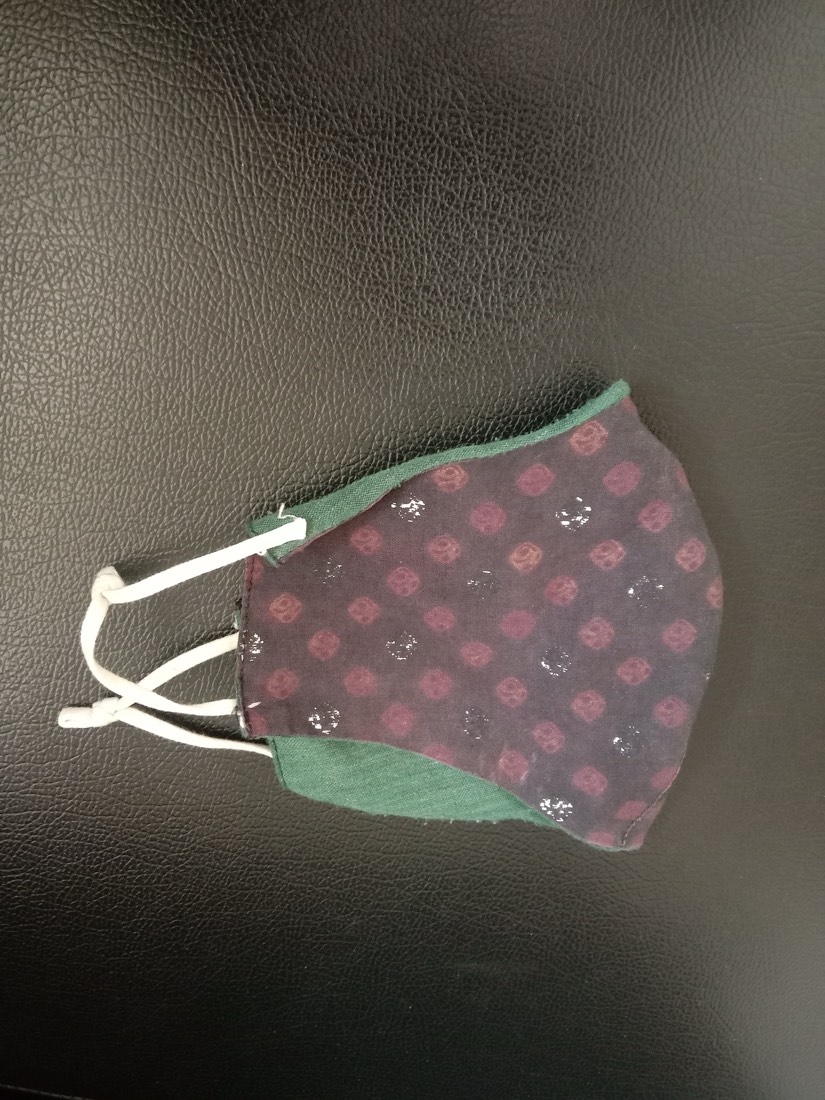
Barely. A fabric mask is comfortable and washable, but it is not designed to seal to your face or to trap fine particles. The US EPA’s AirNow program is blunt about it: cloth masks are not built to filter out the fine particles in smoke and pollution, and they give limited or no protection against them. A cloth mask can catch a large, visible speck of dust, but the PM2.5 that drives the health risk passes straight through and around it.
Surgical masks: made for droplets, not particles
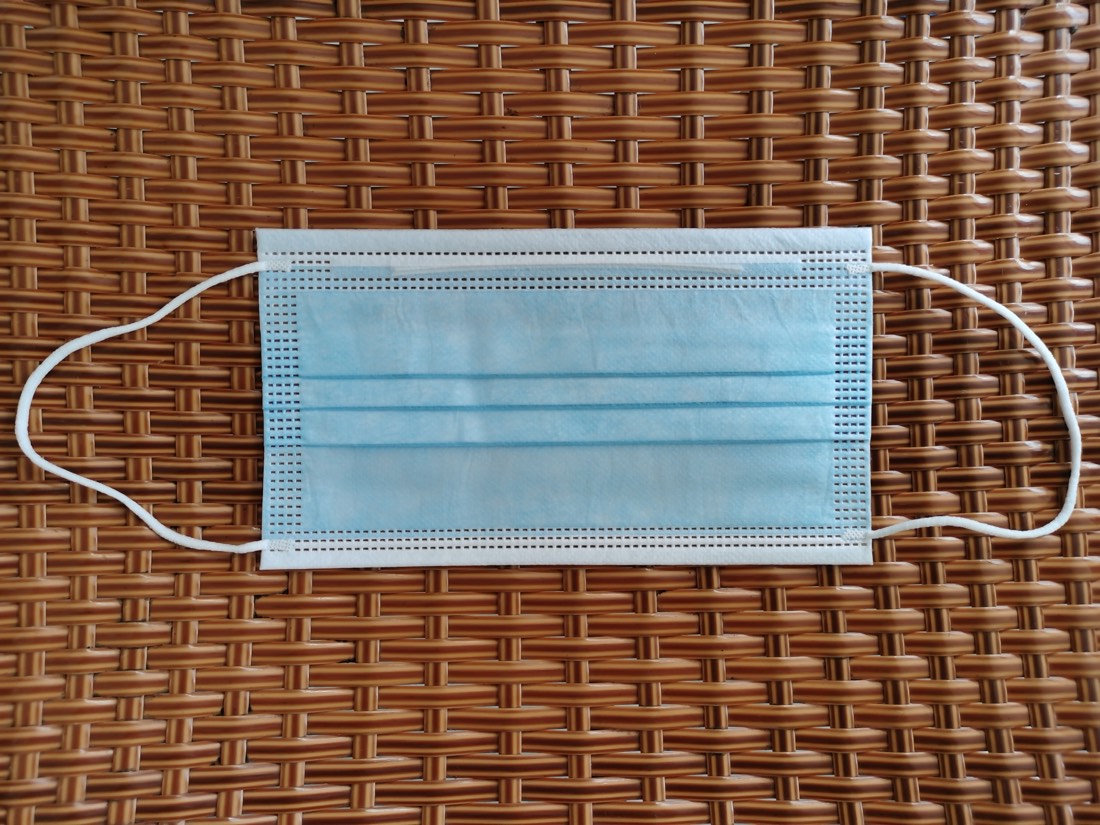
A surgical mask is a step up, but only a small one for pollution. The CDC describes it as a loose-fitting, disposable device, and notes that a surgical mask’s filter can catch anywhere from under 10% to nearly 90% of particles depending on the brand. The bigger problem is fit: it hangs off your face with open gaps at the cheeks, so polluted air takes the easy path around the sides. It is built to block the droplets you breathe or cough out, not the fine particles you breathe in.
N95, KN95, and FFP2: the best masks for air pollution
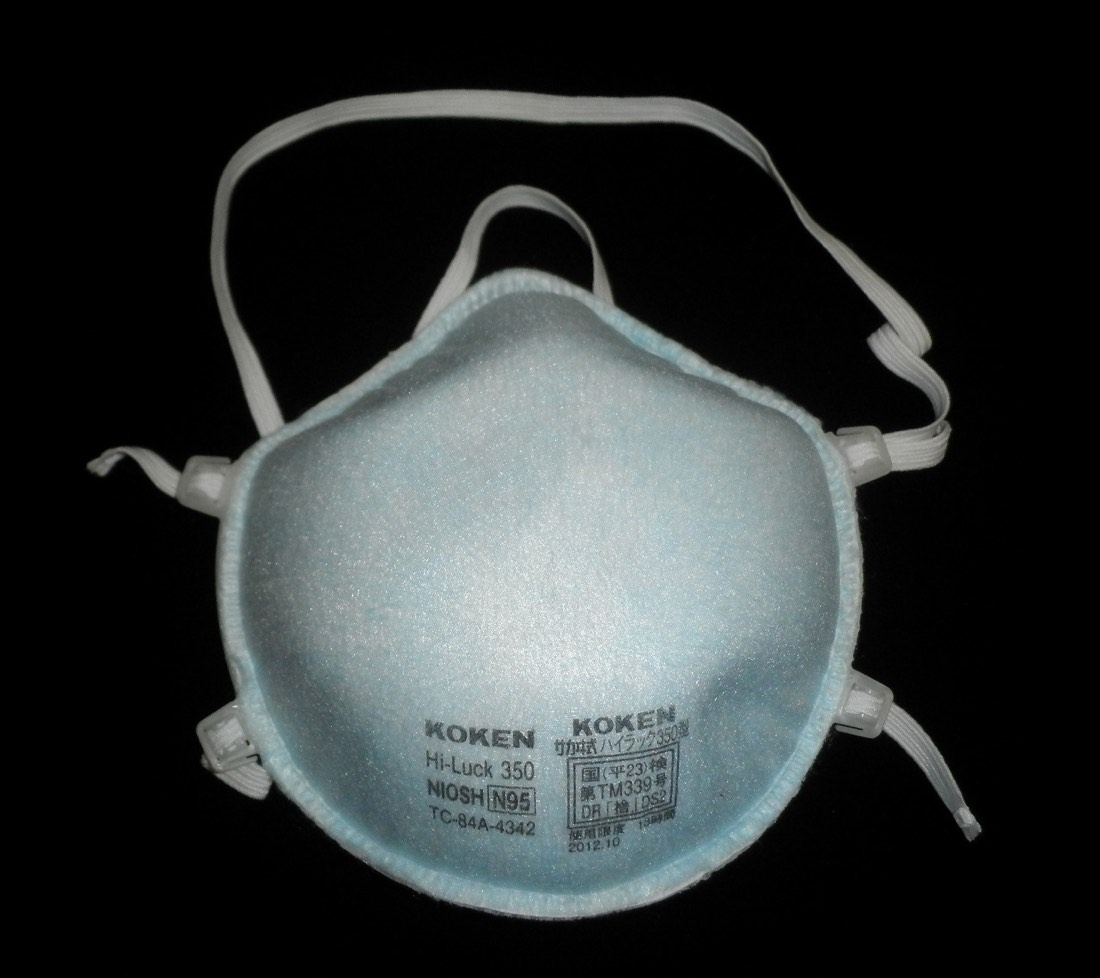
This is the category that actually works. An N95 respirator must filter at least 95% of the hardest-to-catch particles, around 0.3 microns, and it is shaped to seal against your face so air is forced through the filter rather than around it. That combination is exactly what fine-particle pollution calls for.
KN95 and FFP2 are the same idea under different rulebooks. N95 is the US (NIOSH) standard, KN95 is China’s, and FFP2 is Europe’s, and all three filter roughly 94 to 95% of fine particles, so they offer comparable protection.
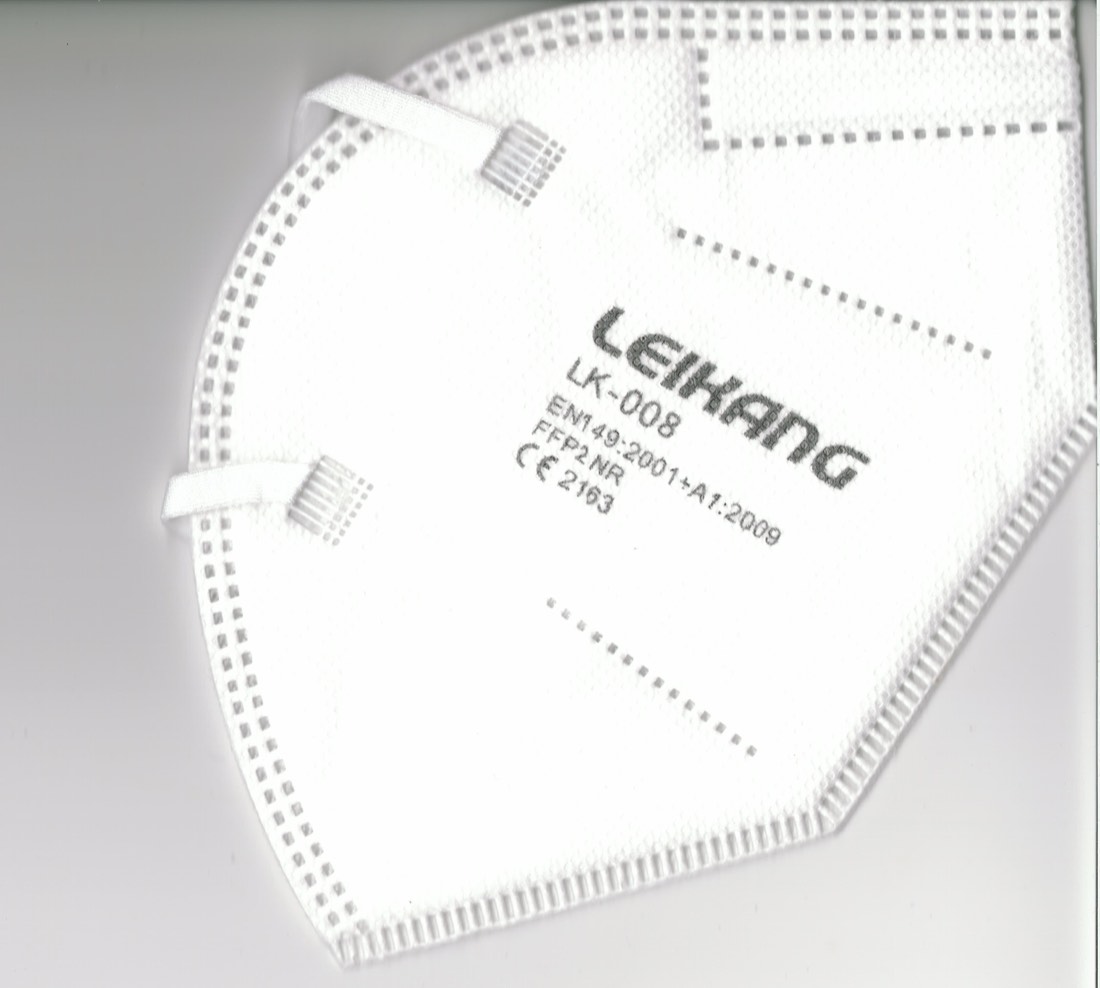
For air pollution, the differences between them matter far less than the one thing they all share: fit. The CDC says the most important factor in a respirator’s performance is how well it seals to your face, because any gap lets unfiltered air leak straight in. A snug KN95 beats a loose N95, and neither works over a beard. For thick wildfire smoke, a well-sealed N95 or P100 is the recommended protection, a topic worth its own guide.
What about activated carbon masks?
Activated carbon is where a lot of anti-pollution marketing gets confusing. A carbon layer does something real, just not what people assume. It works by adsorption: gas molecules stick to the carbon’s huge internal surface, which is why the EPA points to activated carbon filters for removing gases and odors, like traffic fumes and industrial smells. What it does not do is trap particles. Carbon has no effect on PM2.5, so on its own an activated carbon mask leaves the main pollution risk untouched.
That is why the best pollution masks pair the two: an N95-grade particle filter to catch PM2.5, plus a carbon layer for gases and smells. Treat carbon as a useful add-on for a gassy, smelly commute, not as a substitute for real particle filtration. One caveat worth knowing: activated carbon does not stop carbon monoxide, so no mask is a fix for that.
Elastomeric respirators and P100: maximum protection
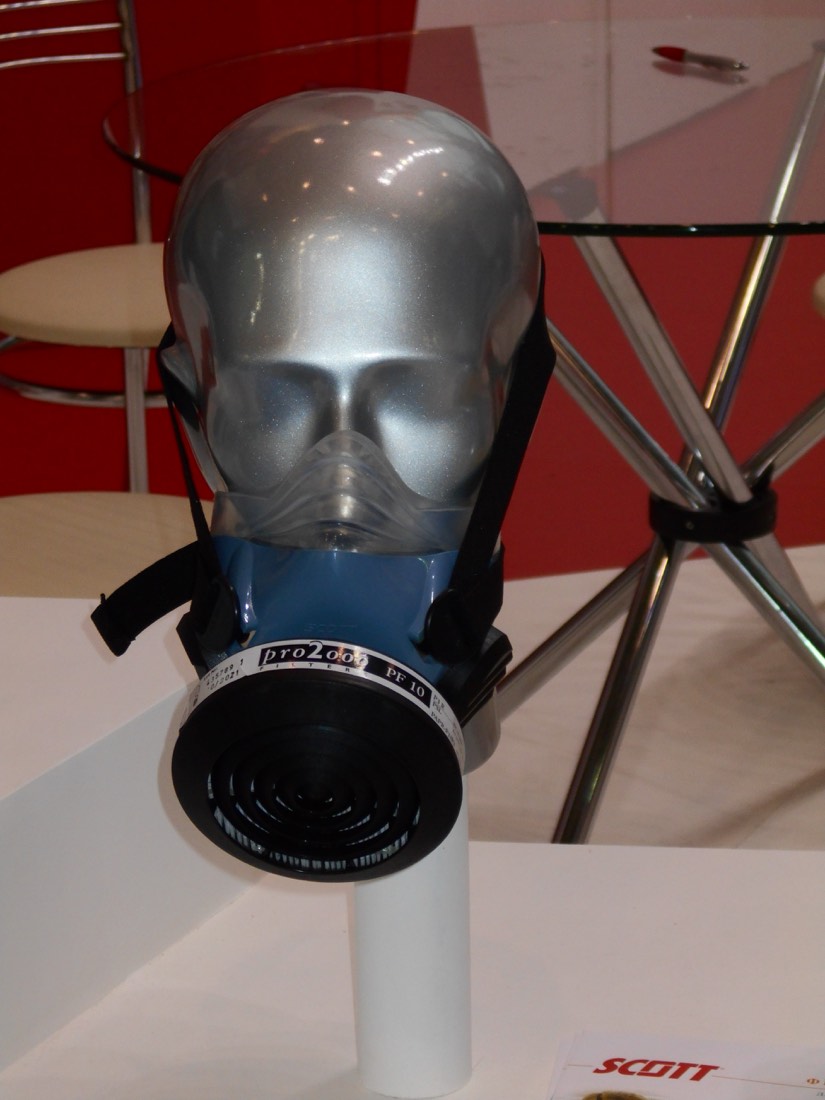
If you want the most protection, or you deal with heavy smoke or dust often, a reusable elastomeric respirator with replaceable cartridges is the top tier. Fitted with P100 filters it captures at least 99.97% of particles, and the cartridges can combine particle and gas filtration. It seals better and lasts far longer than a disposable, at the cost of bulk and comfort. For most people on a normal bad-air day it is overkill, but for wildfire cleanup or a dusty worksite it is the gold standard.
How to know when to wear one
The mask is only half the decision. The other half is knowing when the air is actually bad enough to bother, and which pollutant you are dealing with, because a respirator helps most on a high-particle day and less on a high-ozone one.
That is where Skyvo comes in. It shows your local air quality on the US or European scale and flags the dominant pollutant driving the reading, so you can tell a smoky, mask-worthy afternoon from an ozone day when the better move is to head indoors. Pair that with the AQI scale so you know which numbers are worth reacting to, and reaching for the N95 becomes a decision you make on purpose instead of a guess. Because the number and the pollutant shift through the day, checking before you head out is the habit Skyvo is built around.
Frequently asked questions
Do masks help with air pollution?
Some do. A properly fitted N95, KN95, or FFP2 respirator filters out most of the fine PM2.5 particles that make air pollution dangerous. Cloth masks and loose surgical masks do very little, because they are not designed to seal to your face or to trap particles that small.
Do surgical masks protect against air pollution?
Not really. A surgical mask is loose-fitting and leaks around the edges, and the CDC notes its filter can catch anywhere from under 10% to about 90% of particles. It is made to block droplets, not the fine PM2.5 that drives pollution harm, so polluted air flows in around the sides.
Is N95 or KN95 better for air pollution?
They are essentially equal. N95 is the US standard and KN95 is the Chinese one, and both filter at least 95% of fine particles. FFP2 is the European version at 94%. For air pollution, pick whichever seals best on your face, because fit matters more than the small gap between the standards.
Do activated carbon masks work for pollution?
Partly. The carbon layer adsorbs gases and odors, like traffic fumes, but it does nothing for solid particles. Since PM2.5 is the main health risk in most air pollution, a carbon mask only helps if it also has an N95-level particle filter and a good seal. Carbon is a bonus, not the main event.
Sources
Get Skyvo on your phone
Track the UV index and air quality wherever you are. Free on iPhone and Android.


Related reading
Ozone, NO2, PM2.5, PM10: The Pollutants Behind Your AQI
The pollutants behind your AQI are ozone, nitrogen dioxide, sulfur dioxide, carbon monoxide, and fine and coarse particles. Where each comes from and why.
AQI Scale Explained: What Is a Good Air Quality Index?
The AQI runs 0 to 500 across six color-coded bands. 0 to 50 (green) is good air, and 101 or higher means sensitive groups should start adjusting outdoor plans.
Most Polluted Countries in the World (2026 Rankings)
Pakistan, Bangladesh, Chad, and the DR Congo top the world's most polluted countries, with fine-particle levels over 10 times the WHO limit. See the 2026 picture.
How to Check Air Quality Near You in 2026 (5 Ways)
Check air quality near you with AirNow or Europe's EAQI, a PurpleAir sensor map, the World Air Quality Index map, your phone's weather app, or a dedicated app.